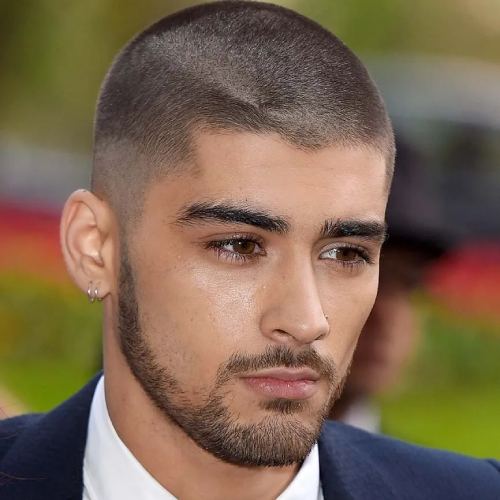
Buzz Cut: The Ultimate Low Maintenance Style for Men
Introduction
There is a liberating feeling that comes with shaving your head. It is the shedding of a layer, both literally and metaphorically. The Buzz Cut is perhaps the most iconic men’s hairstyle in history. From the battlefields of World War II to the red carpets of Hollywood, this style has evolved from a mandatory military regulation to a high-fashion statement of rebellion and confidence.
In 2026, the Buzz Cut is not just for those who want to “start over” or hide hair loss. It has become a canvas for artistic expression—think intricate fades, geometric hairlines, and bold color experiments. It strips away the safety net of hair, putting your facial features front and center. It demands attention because it has nothing to hide behind.
But before you grab the clippers, pause. A buzz cut is deceptive. It looks easy, but executing a uniform length that complements your skull shape is a geometry lesson in itself. This ultimate guide explores the history, the variations, and the critical importance of a skilled barber in achieving the perfect buzz.
Industry Outlook: The grooming industry is pivoting back to classic barbering. The ability to perform a flawless clipper cut is a foundational skill that is currently commanding high wages. Premium chains like The Salon Company are seeking barbers with exceptional “fading” capabilities. (Pro Tip: If you wield clippers like an artist, find top-tier barber jobs on the Stylelink app).
Defining the Buzz Cut: More Than Just a Shave
Technically, a Buzz Cut refers to any short hairstyle achieved using electric clippers. However, in the modern lexicon, it covers a spectrum of lengths. Understanding these variations is crucial to avoiding post-haircut regret.
1. The Induction Cut (The Zero)
The Look: The shortest possible cut without using a razor (0.5mm). It feels like sandpaper.
History: Named after the initiation of military recruits, designed to prevent lice and promote uniformity.
Vibe: Aggressive, severe, and ultra-masculine.
2. The Burr Cut (The #1 or #2)
The Look: Uniform length all over, usually using a #1 or #2 guard. It leaves enough hair to show texture and color.
Vibe: Practical and sporty. It covers scalp imperfections better than the induction cut.
3. The Butch Cut (The #3 or #4)
The Look: Longer on top (about half an inch) and tapers slightly at the sides. It follows the shape of the head but adds a soft “fuzz” silhouette.
Vibe: Approachable and classic. Often worn by athletes.
4. The Buzz Cut Fade (The Hybrid)
The Look: This is the 2026 favorite. It combines a longer buzz on top (maybe a #3) with a skin fade on the sides. This contrast adds style and intention to the look.
Vibe: Sharp, modern, and high-fashion.
Buzz Cut vs. Crew Cut: What is the Difference?
This is a common point of confusion. A Buzz Cut is generally uniform in length (except for fades). A Crew Cut is significantly longer on the top (allowing for a small quiff or side part) and fades into very short sides. If you can pinch the hair on top and style it with wax, it is a Crew Cut, not a Buzz.
The Beard Connection: Balancing the Face
A shaved head combined with a clean-shaven face can sometimes look too “baby-faced” or overly intense. This is why the “Buzz and Beard” combo is legendary. It follows the “Rule of Inversion”:
- Short Hair + Long Beard: Creates a rugged, Viking-esque aesthetic. It draws the eye downward and adds weight to the jaw.
- Short Hair + Heavy Stubble: The “Jason Statham” look. It adds texture to the face without the bulk of a full beard.
Pro Tip: When visiting The Salon Company, ask your barber to fade your beard into your Buzz Cut. The sideburns should seamlessly transition from the hair fade into the beard fade.
The DIY Trap: Why You Need a Barber
Since it is “just clippers,” many assume they can do it at home. While possible, a DIY Buzz Cut lacks the finesse of a professional cut. Here is what goes wrong:
- The “Tennis Ball” Effect: Human skulls are not perfectly round. They have flat spots and ridges. A professional barber uses technique to leave hair slightly longer in the dents and shorter on the bumps, creating the visual illusion of a perfect sphere. DIY cuts follow the scalp’s dents, leaving you with a lumpy shape.
- The Neckline Disaster: Creating a crisp, straight, or tapered neckline at the back is impossible to do on yourself. A messy neckline ruins the entire look.
- The Fade: Blending a #0 into a #2 requires a flicking motion of the wrist that takes years to master. Doing this yourself usually results in visible “steps” or lines.
For a cut that looks intentional and sharp, book your appointment at The Salon Company. Their barbers are trained in “Head Shape Analysis” to customize the guard length to your specific cranial structure.
Career Spotlight: The Art of Precision Barbering
Are you a stylist? Do not dismiss the Buzz Cut as “easy money.” It is the most unforgiving haircut. There is no hair to hide mistakes. Mastering a skin fade or a razor lineup is a high-level skill.
Here is how Stylelink helps you capitalize on this:
- Find Consistency: Men are loyal clients. If you give a great fade, they return every 2 weeks. Download the Stylelink App to find jobs at high-traffic salons like The Salon Company where you can build a solid client base.
- Build a Portfolio: Use Stylelink’s Resume & Portfolio Builder. Upload photos of your clean necklines and smooth fades. This visual proof is your ticket to higher pay.
- Shop Management: If you own a barbershop, use Stylelink’s Salon Software to manage walk-ins and staff commissions efficiently.
The Grow-Out Phase: Handling the Awkward Stage
One day, you might want your hair back. Growing out a Buzz Cut is notorious for the “tennis ball” phase where hair sticks straight out. Here is the strategy:
- Keep the Sides Short: Visit The Salon Company every 3 weeks to trim the sides back down while letting the top grow. This transforms the buzz into a Crew Cut, then a French Crop, avoiding the “round” look.
- Use Texture Powder: As the top grows, it will lay flat. Use styling powder to add grit and messiness until it’s long enough to comb.
Scalp Health Checklist
With a Buzz Cut, your scalp is your hairstyle. If your scalp is flaky or red, the haircut looks bad. Follow this regimen:
- Anti-Dandruff Shampoo: Even if you don’t see flakes, use a zinc-based shampoo once a week to prevent fungal buildup.
- Moisturizer (Not Oil): Oil makes a bald head shiny (reflective). Use a matte facial moisturizer on your scalp to keep it hydrated but dull.
- SPF 50: We cannot stress this enough. A sunburned scalp is agony. Protect your dome.
Conclusion
The Buzz Cut is a statement of minimalism and strength. It says you have nothing to hide. It saves time, saves money on products, and keeps you cool. However, the difference between looking like a convict and looking like a model lies in the details—the fade, the hairline, and the scalp health.
Don’t just shave it; style it. Visit the precision experts at The Salon Company for a cut that suits your head shape. And for the barbers mastering the art of the fade, Stylelink is your platform for professional success.
Frequently Asked Questions (FAQs)
Q1: Does a Buzz Cut suit a big forehead?
Yes, if done correctly. Instead of a uniform buzz, go for a French Crop (slightly longer fringe) or a Buzz Cut Fade. The fade draws eyes to the sides, distracting from the forehead height.
Q2: Can I dye my Buzz Cut?
Absolutely. Bleached buzz cuts (platinum blonde) or even leopard print designs are huge trends in 2026. The best part? If you hate the color, you can just shave it off in 2 weeks!
Q3: How much does a professional Buzz Cut cost?
Prices vary, but a precision fade at a premium salon like The Salon Company ranges from ₹500 to ₹1500. You are paying for the barber’s skill in fading, not just the hair removal.
About the Author


