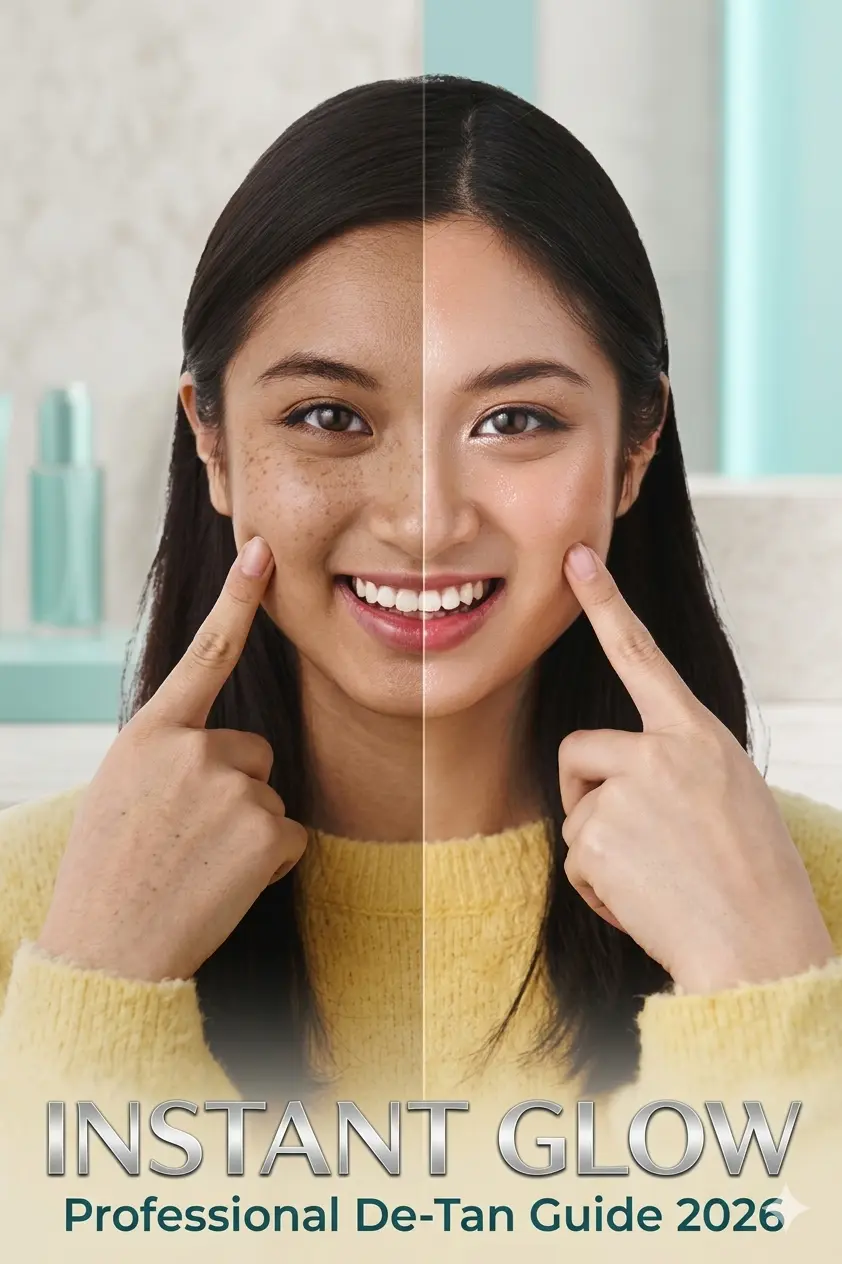
De-Tan Treatment: Instantly Brighten Sun-Damaged Skin
Introduction: Reclaiming Your Natural Complexion
There is a stark difference between a healthy, sun-kissed glow and the dull, patchy pigmentation that results from unprotected sun exposure in India. Between harsh summers, pollution, and the intense UV index, our skin is in a constant state of defense. When UV rays hit your skin, it produces excess melanin as a shield. Over time, these melanin-rich cells die and accumulate on your face, neck, and arms, creating what we commonly call a “tan.” In 2026, the ultimate solution to stripping away this damage is a professional de-tan treatment.
For years, the beauty industry pushed harsh chemical bleaches as the only way to “brighten” the face. However, as consumers have become more educated about their skin’s lipid barrier, the demand has shifted drastically. Today, a de-tan treatment is celebrated not just for its brightening effects, but for its restorative, healing properties. It doesn’t bleach the skin; it exfoliates the damage away.
Whether you are trying to recover your complexion after a beach holiday or simply want your foundation to sit smoother, understanding this therapy is essential. In this comprehensive masterclass, we will decode the ingredients, compare it against traditional bleaching, and explain why your next salon visit should focus on detanning.
Industry Pulse: The shift towards safe, clinical skincare has created a massive gap in the market. Salons are desperate for aestheticians who understand chemical exfoliation without causing skin trauma. Elite brands like The Salon Company are aggressively recruiting this talent. (Pro Tip: If you are an expert in skin health, you can find the highest-paying beautician jobs on the Stylelink app today).
The Great Debate: De-Tan Treatment vs. Bleach
Many clients walk into a salon asking for a bleach for face when their actual goal is tan removal. Understanding the difference is critical for your skin’s health:
The Illusion of Bleach
A facial bleach relies on aggressive chemicals (hydrogen peroxide and ammonia). It does not remove a single layer of dead skin. Instead, it strips the color from your facial hair (peach fuzz), turning it golden. While this creates an optical illusion of fairness, the damaged, tanned skin cells remain firmly glued to your face. Furthermore, bleach often causes intense stinging and can trigger severe breakouts on sensitive skin.
The Reality of De-Tanning
A true de-tan treatment contains zero bleaching agents. It works through enzymatic and acidic exfoliation. Ingredients like Lactic Acid (from milk) or Papain (from papaya) break the bonds holding the dead, tanned skin cells together. When the aesthetician wipes the pack off, the tan is physically removed, revealing the fresh, unpigmented skin underneath. It is cooling, hydrating, and 100% safe for acne-prone skin.
The 4 Powerhouse Ingredients to Look For
When you book this service at a premium salon, the products used are clinically formulated. A high-quality de-tan treatment will feature:
- Lactic Acid: A gentle Alpha Hydroxy Acid (AHA) that exfoliates the surface layer while pulling moisture into the skin.
- Kojic Acid: A natural compound that inhibits melanin production, ensuring that once the tan is removed, new dark spots do not form immediately.
- Arbutin: Extracted from the bearberry plant, it is a safe, natural alternative to harsh skin lighteners like hydroquinone.
- Aloe Vera & Cucumber Extracts: Added to instantly cool the skin and reduce any inflammation caused by sun exposure.
Extending the Glow: The Role of Body Polishing
Treating your face while ignoring your body results in a glaring mismatch. In India, tanned forearms, dark necks, and pigmented backs are common. To achieve a uniform complexion, you must extend the treatment downward.
We highly recommend pairing your facial session with a full body polishing treatment. This spa ritual uses granular exfoliants (like sea salt or coffee) combined with a de-tan body wrap to scrub away the hardened tan on your limbs. Not only does body polishing remove pigmentation, but the vigorous massage also stimulates lymphatic drainage, reducing water weight and leaving you glowing from head to toe.
Why You Need a Specialist at a Tan Removal Salon
While DIY remedies like lemon juice and sugar scrubs exist on the internet, they are highly dangerous. Lemon is extremely acidic and can destroy your skin’s acid mantle, causing chemical burns when exposed to sunlight.
To safely reverse sun damage, you must visit a certified tan removal salon. We strongly advise booking your appointment at The Salon Company. As an elite brand operating within the Stylelink ecosystem, their clinical protocols ensure safety:
- Skin Diagnosis: Their aestheticians will evaluate your skin type before choosing the strength of the de-tan pack.
- The Emulsification Process: Instead of roughly wiping the dried mask off, their therapists use water to gently emulsify the pack, massaging it into the skin to boost blood circulation before removal.
- The Perfect Pairing: A de-tan treatment is the perfect precursor to a facial. By removing the dead skin first, the expensive serums used in your subsequent facial will penetrate 50% deeper.
Career Spotlight: Capitalizing on Skincare Science
Are you a beauty professional? The market has evolved. Clients are no longer asking for basic facials; they want clinical results for specific problems like hyperpigmentation. Aestheticians who master chemical exfoliation are the highest earners in the salon.
Here is how Stylelink helps you build a lucrative career:
- Unlock Premium Roles: Stop accepting low base salaries. Download the Stylelink App to find specialized beautician jobs at luxury clinics like The Salon Company that reward clinical knowledge.
- Build a Visual Empire: Use Stylelink’s Resume & Portfolio Builder. Upload macro, high-definition “Before & After” photos showing your tan removal results. Visual proof of your expertise allows you to demand higher commission rates.
- Salon Management: If you manage a spa, use Stylelink’s Salon Software (Lokaci Pro) to track which specific de-tan treatments are driving the most revenue, and automate reminders for clients to return for their post-vacation sessions.
Post-Treatment Care: Protecting Your New Skin
A de-tan treatment provides an instant brightening effect, but to maintain that fresh, radiant look, your home-care routine is non-negotiable. Follow these golden rules for 48 hours post-treatment:
- Sunscreen is Mandatory: Your fresh, newly exposed skin cells are highly susceptible to UV damage. Apply a broad-spectrum SPF 40+ every three hours if you are outdoors.
- Skip Active Ingredients: Avoid using home exfoliants, Retinols, or Vitamin C serums for at least two days. Let your skin barrier rest and recover.
- Hydrate: The removal of dead skin allows moisturizers to penetrate much better. Drench your skin in a ceramide-rich moisturizer to lock in the hydration.
Conclusion
Sun damage is inevitable, but living with a dull, uneven complexion is a choice. A professional de-tan treatment is the safest, most scientifically sound method to restore your skin’s natural vibrancy without resorting to harsh, hair-altering bleaches. It is a vital maintenance routine for anyone living in a sunny, polluted urban environment.
Don’t gamble with your skin’s health. Book a customized consultation with the skincare experts at The Salon Company to safely unveil your inner glow. And for the ambitious professionals performing these clinical transformations, Stylelink is your definitive partner in scaling your career and securing the best jobs in the beauty industry.
Frequently Asked Questions (FAQs)
Q1: How often should I get a de-tan treatment?
For general maintenance, once a month is ideal as it aligns with your skin’s natural 28-day cellular turnover cycle. If you have just returned from a heavily sunny vacation, you may need two sessions spaced 15 days apart.
Q2: Will a de-tan treatment remove my natural skin color?
Absolutely not. It is not a skin-whitening treatment. It merely removes the accumulated layer of oxidized melanin (the tan) and dead skin, returning your complexion to its natural, original shade.
Q3: Where can I find top-tier aesthetician jobs?
Generic job boards don’t understand clinical skincare skills. Use the Stylelink jobs app to connect directly with premium clinics and salons hiring advanced skin therapists.
About the Author


