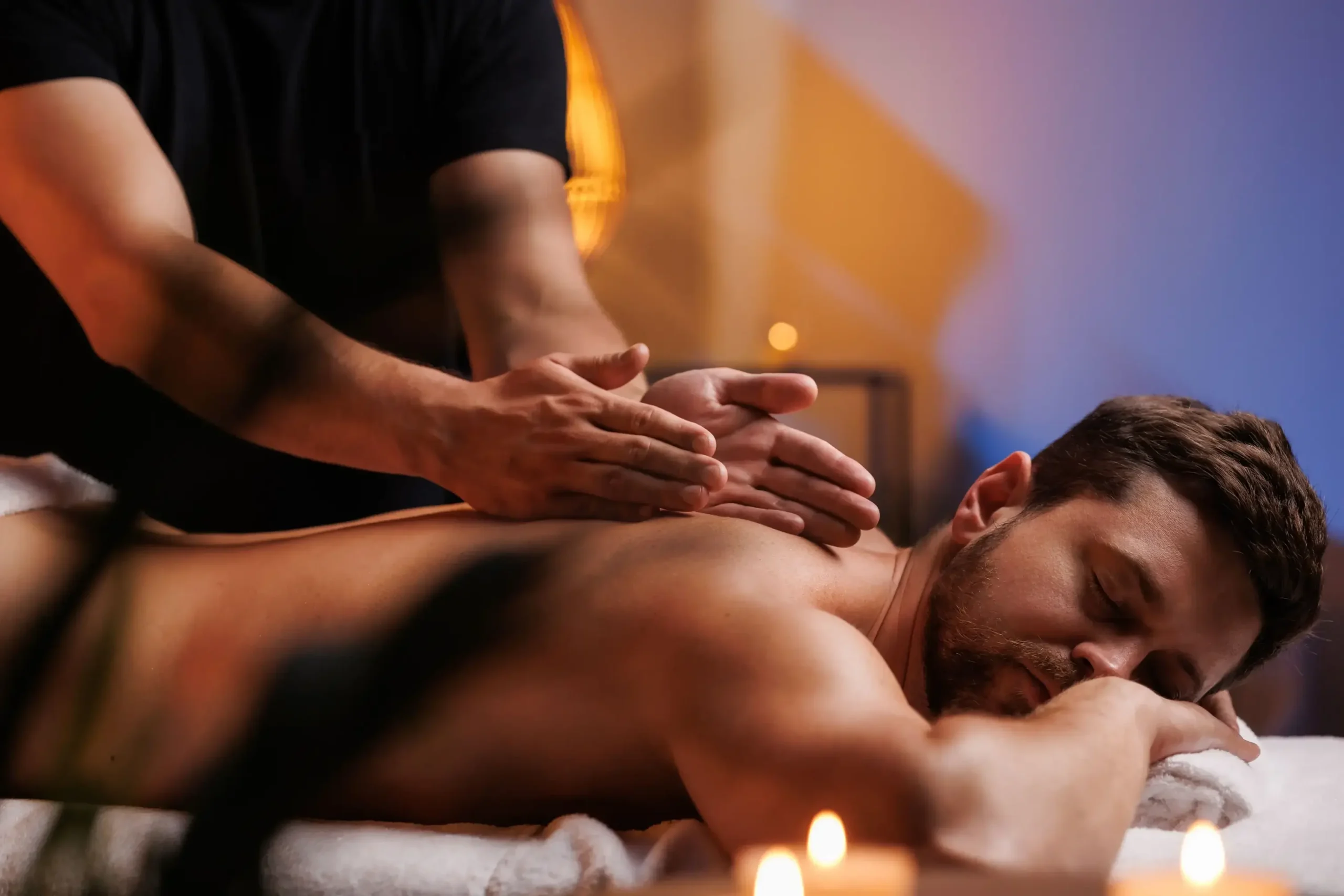
Back Massage Benefits: Relieve Stress at the Spa
Introduction: The Crisis of the “Office Athlete”
We are living through an invisible physical crisis. In 2026, the average urban professional spends up to 12 hours a day sitting—hunched over keyboards, staring down at tablets, and locked in commuter traffic. We have become “Office Athletes,” subjecting our spines to endurance events of terrible posture. This relentless gravitational pull causes the muscles in the back and neck to lock up, resulting in chronic stiffness, tension headaches, and a constant, draining ache. The antidote to this modern epidemic is not found in a pill bottle; it is found on the therapy table through a clinical back massage.
The perception of spa therapy has fundamentally evolved. It has shed its reputation as a frivolous indulgence for the elite. Today, it is recognized by physiotherapists and wellness experts as a mandatory form of bodily maintenance. When muscle fibers (fascia) glue together due to stress, they require manual, expert intervention to pull them apart.
Whether you are dealing with a stiff lumbar region from sitting or tight shoulders from stress, this masterclass guide will explore the profound anatomical changes that occur during a session, how to choose the right pressure, and why finding a certified therapist is the ultimate act of self-care.
Industry Outlook: As the corporate world embraces wellness, the demand for highly trained anatomy experts is surging. Luxury spa chains like The Salon Company are aggressively recruiting therapists with medical-grade knowledge. (Pro Tip: If you understand muscle mechanics, you can secure the highest-paying spa therapist jobs on the Stylelink app today).
The Anatomy of Healing: 5 Reasons You Need a Back Massage
What exactly happens when a therapist goes to work on your spine? The benefits are deeply physiological:
1. Destruction of “Trigger Points”
When you hold tension in your shoulders, the muscle fibers essentially stick together, creating hard nodules known as trigger points or “knots.” These knots restrict blood flow, making the muscle weak and painful. A targeted back massage uses friction to physically break apart these adhered fibers, restoring flexibility and eliminating the source of the pain.
2. The “Endorphin Flush” (Stress Annihilation)
Physical touch is a powerful neurological trigger. Within 15 minutes of a session, your brain significantly reduces the production of cortisol (the stress hormone) and floods your system with endorphins and oxytocin. This creates a state of immense mental relaxation, combating anxiety and lowering your resting heart rate.
3. Postural Reset
Tight chest and neck muscles pull your skeleton forward, resulting in a rounded, hunched posture. By applying deep pressure to the rhomboids and latissimus dorsi, a massage forces these shortened muscles to stretch out. This allows your spine to easily return to its natural, upright alignment.
4. Boosting the Lymphatic System
Your lymphatic system clears out toxins, but it relies entirely on muscle movement to circulate. If you sit all day, toxins pool in your tissues. The long, upward strokes of a massage act as a physical pump, pushing stagnant lymphatic fluid through the body, which reduces bloating and strengthens your immune system.
5. Dermal Exfoliation & Glow
The skin on your back is thick and prone to clogged pores because it is hard to reach. Premium spas often precede a back massage with a granular body polishing treatment. This scrubs away dead skin cells, cures “bacne,” and allows the therapeutic massage oils to absorb fully, leaving your skin incredibly soft and hydrated.
Decoding the Spa Menu: Swedish vs. Deep Tissue Massage
Choosing the wrong modality will leave you dissatisfied. Here is the clinical difference:
- The Swedish Approach: This is designed for pure relaxation. The therapist uses light-to-medium pressure with long, sweeping strokes (effleurage) over the superficial muscle layers. It is perfect if you want to de-stress, fall asleep on the table, and wake up refreshed.
- The Clinical Approach (Deep Tissue): If you have chronic knots or a sports injury, you need a deep tissue massage. The therapist will use their knuckles and forearms to dig into the sub-layers of muscle and fascia. It is intense, highly targeted, and can be slightly painful, but it provides structural, long-term relief.
The Safety Imperative: Trust The Salon Company
Your spinal cord is a fragile structure. Letting an amateur press aggressively on your vertebrae can cause slipped discs or severe nerve damage. A massage is not just a beauty service; it is an anatomical intervention.
We strongly recommend booking your therapy at an elite wellness brand like The Salon Company. Operating under the Stylelink ecosystem, their clinical standards are unparalleled:
- Certified Kinesiology: Their therapists study body mechanics. They know precisely how to manipulate the muscle bellies without ever placing dangerous, direct pressure on the spine itself.
- Hypoallergenic Products: They avoid cheap, mineral-based oils that clog pores. Instead, they use cold-pressed, organic carrier oils infused with therapeutic essential oils (like eucalyptus for muscle recovery).
- Acoustic Isolation: True healing requires silence. Their spa suites are soundproofed and feature temperature-controlled beds to ensure your nervous system feels completely safe.
Career Spotlight: Become a Master Healer
Are you a wellness professional? The market has shifted from basic pampering to pain management. Clients who find a therapist who can cure their lower back pain will become clients for life. Mastering advanced modalities is your key to a high-income career.
Here is how the Stylelink platform accelerates your success:
- Access Elite Workplaces: Stop working at budget day-spas. Download the Stylelink App to apply directly for specialized spa therapist jobs at luxury resorts and premium clinics like The Salon Company.
- Showcase Your Certifications: Use Stylelink’s Resume & Portfolio Builder. If you hold certifications in Myofascial Release, Shiatsu, or Sports Therapy, display them prominently. A clinical visual resume guarantees higher base salaries.
- Protect Your Body: If you are a spa manager, use Stylelink’s Salon Software (Lokaci Pro) to ensure your staff isn’t overworked. The software can automatically schedule 15-minute recovery buffers between heavy 90-minute deep tissue massage sessions, preventing therapist injury.
The 24-Hour Recovery Protocol
To ensure you lock in the benefits of your back massage, you must treat your body like it just ran a marathon for the next 24 hours:
- The Hydration Rule: The massage has released trapped toxins into your bloodstream. You must drink 2-3 liters of water to help your kidneys flush them out, or you may experience a “post-massage headache.”
- Cancel the Gym: Your muscle fibers have been intensely stretched and manipulated. Doing heavy weightlifting immediately after will cause severe micro-tears and intense soreness. Rest completely.
- Heat Therapy: If you feel the “good soreness” the next day, soak in a hot bath with Epsom salts. The magnesium sulfate will penetrate the skin and further relax the treated muscles.
Conclusion: Invest in Your Infrastructure
Your spine is the infrastructure of your entire body. Ignoring chronic tension is a recipe for long-term immobility. A clinical back massage is the ultimate preventative maintenance, offering a profound physical reset and a desperate mental escape from the daily grind.
Treat your body with the respect of medical science. Book your customized healing session at The Salon Company to guarantee safety and breathtaking results. And for the dedicated professionals delivering these life-changing therapies, Stylelink is your definitive partner in scaling your career within the booming wellness industry.
Frequently Asked Questions (FAQs)
Q1: Why do I feel sore the day after a deep tissue session?
This is known as DOMS (Delayed Onset Muscle Soreness). The aggressive pressure breaks down adhesions and causes micro-trauma to the muscle fibers, similar to a heavy workout. It is your body healing itself and will subside in 48 hours.
Q2: How often should I schedule an appointment?
If you work a desk job and suffer from “Tech Neck,” a monthly session is highly recommended for maintenance. If you have an active injury, your therapist may suggest bi-weekly sessions initially.
Q3: Where can I find top-tier spa therapist jobs?
Generic job boards don’t understand clinical massage certifications. Use the Stylelink jobs app to connect directly with premium spas and resorts hiring advanced body therapists.
About the Author


