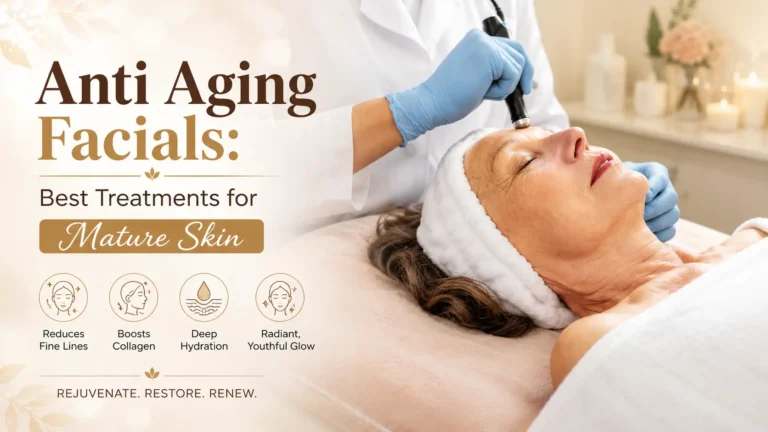
Chemical Peel for Acne Scars: Benefits and Aftercare
Introduction: The Reality of Acne Scarring
For many, surviving active acne feels like winning a war, only to realize the battlefield—your face—has been left scarred. The aftermath of severe breakouts often manifests as a frustrating patchwork of hyperpigmentation, uneven texture, and deep indentations. While topical serums and over-the-counter creams might offer slight improvements over months, they rarely penetrate deep enough to remodel damaged tissue. In 2026, if you want to effectively “erase” the past and hit the reset button on your complexion, the ultimate clinical solution is a professional chemical peel.
Despite the intimidating name, a chemical peel is not about burning the skin; it is about controlled, scientific exfoliation. It is a precise dermatological tool designed to accelerate your body’s natural cellular turnover. By carefully removing the compromised outer layers of the epidermis, this treatment forces the skin to regenerate, flooding the targeted area with fresh collagen and elastin.
Whether you are battling the dark, flat spots of Post-Inflammatory Hyperpigmentation (PIH) or the textured pits of atrophic scars, understanding the specific acids used in a chemical peel is crucial. This comprehensive guide demystifies the procedure, explains why different scars require different acids, and outlines the non-negotiable aftercare required for a flawless recovery.
Industry Pulse: The beauty industry is rapidly shifting from superficial “pampering” to medical-grade results. Clients are demanding clinical efficacy. Premium aesthetic centers like The Salon Company are aggressively recruiting experts in acid therapies. (Pro Tip: If you possess this clinical knowledge, you can secure the most lucrative dermatologist jobs and aesthetician roles on the Stylelink app today).
The Anatomy of a Scar: Why You Need Acids
Before selecting a treatment, it is important to understand what a scar actually is. When a cystic pimple ruptures deep within the skin, it destroys healthy tissue. As the skin tries to repair this damage, two things can happen:
- Overproduction of Melanin: The trauma causes melanocytes to overreact, leaving a dark, flat brown or red mark (PIH or PIE).
- Underproduction of Collagen: The body fails to produce enough tissue to fill the wound, resulting in a physical depression or “pit” (Ice pick, Boxcar, or Rolling scars).
A physical scrub only scratches the surface. A chemical peel acts on a molecular level. The acids lower the skin’s pH, which dissolves the lipid “glue” binding dead cells together. This prompts the skin to physically shed the damaged layer and stimulates the fibroblasts in the dermis to produce new, organized collagen to fill in the textural gaps.
Decoding the Acids: Which Chemical Peel Do You Need?
Not all peels are created equal. A clinical aesthetician will prescribe a specific acid profile based on your exact scarring type:
1. The Glycolic Acid Peel (AHA)
Because it has the smallest molecular structure of all Alpha Hydroxy Acids, a glycolic acid peel penetrates the skin rapidly. It is the absolute best choice for targeting dark spots and hyperpigmentation. It effectively “unglues” the darkly pigmented cells on the surface, revealing a dramatically brighter, more even skin tone within days.
2. The Salicylic Acid Peel (BHA)
If you are dealing with acne scars but still suffer from occasional active breakouts, this is your go-to. Unlike AHAs, Salicylic acid is lipophilic (oil-soluble). It can cut through the sebum in your pores to clean them out from the inside, while simultaneously reducing the redness associated with fresh scars due to its anti-inflammatory properties.
3. The TCA Peel (Trichloroacetic Acid)
For deep, textural, pitted scars, surface exfoliation isn’t enough. A TCA peel is a medium-depth chemical peel that penetrates down to the papillary dermis. It causes significant “frosting” (whitening of the skin) during application and results in heavy peeling over 5-7 days. It forces a massive restructuring of collagen, physically smoothing out the indentations in the skin.
The Danger Zone: Why You Must Choose The Salon Company
We must issue a severe warning regarding DIY peeling. Purchasing high-percentage acids online and applying them at home is incredibly dangerous. If an acid is left on the skin for even two minutes too long, or if it is not neutralized properly, it will cause a third-degree chemical burn. This trauma will create permanent, dark scars—the exact opposite of what you are trying to achieve.
A skin peeling treatment is a medical-grade procedure. We strictly advise booking your sessions at The Salon Company. As a premier brand within the Stylelink ecosystem, their clinical protocols guarantee safety:
- Pre-Peel Conditioning: Their experts may require you to prep your skin with a mild retinol or tyrosinase inhibitor for two weeks prior, ensuring the skin reacts predictably to the acid.
- Clinical Neutralization: Their aestheticians use specific alkaline buffers to immediately halt the acid’s action the second it reaches the optimal depth.
- Post-Procedure Calming: Every chemical peel concludes with a sterile, cooling alginate mask or LED light therapy to instantly reduce inflammation and protect the compromised barrier.
Career Spotlight: The Clinical Aesthetician
Are you a skincare professional? The ability to safely execute and monitor a medium-depth chemical peel elevates you from a standard beautician to a highly respected clinical expert. Clients who see real results from scar revision treatments will remain loyal to you for life.
Here is how the Stylelink ecosystem can accelerate your career:
- Access Premium Vacancies: Stop working at budget salons. Download the Stylelink App to find specialized roles at luxury dermatology clinics and high-end chains like The Salon Company.
- Build a Clinical Portfolio: Use Stylelink’s Resume & Portfolio Builder. Upload macro, high-definition “Before & After” case studies showing the progression of your scar treatments over a 6-month period. Visual proof of clinical safety allows you to demand top-tier salaries.
- Manage Treatment Cycles: Peels require a strict timeline. If you manage a clinic, use Stylelink’s Salon Software (Lokaci Pro) to accurately track the acid percentage used in a client’s last session, ensuring you safely step up the intensity in their next appointment.
The Crucial 7-Day Survival Guide
The success of a chemical peel is heavily dependent on your aftercare. You have just removed your skin’s armor; you must protect it while it rebuilds.
Days 1-2: The “Tight” Phase
Your skin will feel tight, dry, and may look slightly sunburned. Rule #1: Do NOT wash your face with hot water or use any harsh cleansers. Use a gentle, milky cleanser and drench your skin in a thick ceramide or hyaluronic acid moisturizer.
Days 3-5: The “Shedding” Phase
Depending on the depth of the chemical peel, your skin will start to flake or peel. Rule #2: NEVER pick, pull, or rub the peeling skin. Let it fall off naturally. Pulling it prematurely will pull off living tissue, causing permanent scarring and dark spots.
The Absolute Law: Sun Protection
The fresh, baby-soft skin underneath has zero defense against UV rays. You must avoid direct sunlight and apply a broad-spectrum SPF 50+ sunscreen every 3 hours, even if you are sitting indoors.
Conclusion: Reveal Your Best Skin
Acne scars are a heavy burden, but they do not have to be permanent. A professional chemical peel is a highly structured, scientifically proven method to hit the reset button on your complexion. By chemically dissolving the trauma of the past, you allow your skin to rebuild itself stronger, smoother, and more radiant.
Treat your face with the respect of medical science. Book your customized resurfacing session at The Salon Company to guarantee safety and breathtaking results. And for the dedicated professionals delivering these life-changing therapies, Stylelink is your definitive partner in scaling your career within the booming aesthetic industry.
Frequently Asked Questions (FAQs)
Q1: How painful is a chemical peel?
A light glycolic acid peel feels like a warm, mild tingling. Medium-depth peels (like TCA) can feel quite hot and “spicy” for a few minutes, but the aesthetician will use a cooling fan to keep you comfortable. The sensation stops immediately once the acid is neutralized.
Q2: How many sessions do I need to see results?
For dark spots (PIH), you will notice a significant brightening after just one session. However, for deep, pitted scars, a series of 3 to 6 sessions spaced 4-6 weeks apart is required to stimulate enough collagen to fill the indentations.
Q3: Can I wear makeup while my skin is peeling?
You must strictly avoid all makeup for at least 48 to 72 hours. Your skin is an open wound trying to heal; applying foundation will trap bacteria, cause severe infections, and disrupt the natural peeling process.
About the Author