Curtain Bangs: How to Style Them for Every Face Shape
Introduction: The Ultimate Hair Hack of 2026
We have all experienced “hair fatigue”—that moment when you are desperately bored with your current look but absolutely terrified of losing your hard-earned length. For decades, the only solution was to chop off a few inches or resort to a heavy, blunt fringe that required daily ironing and a very specific face shape to pull off. Enter the defining hair trend of the decade: curtain bangs.
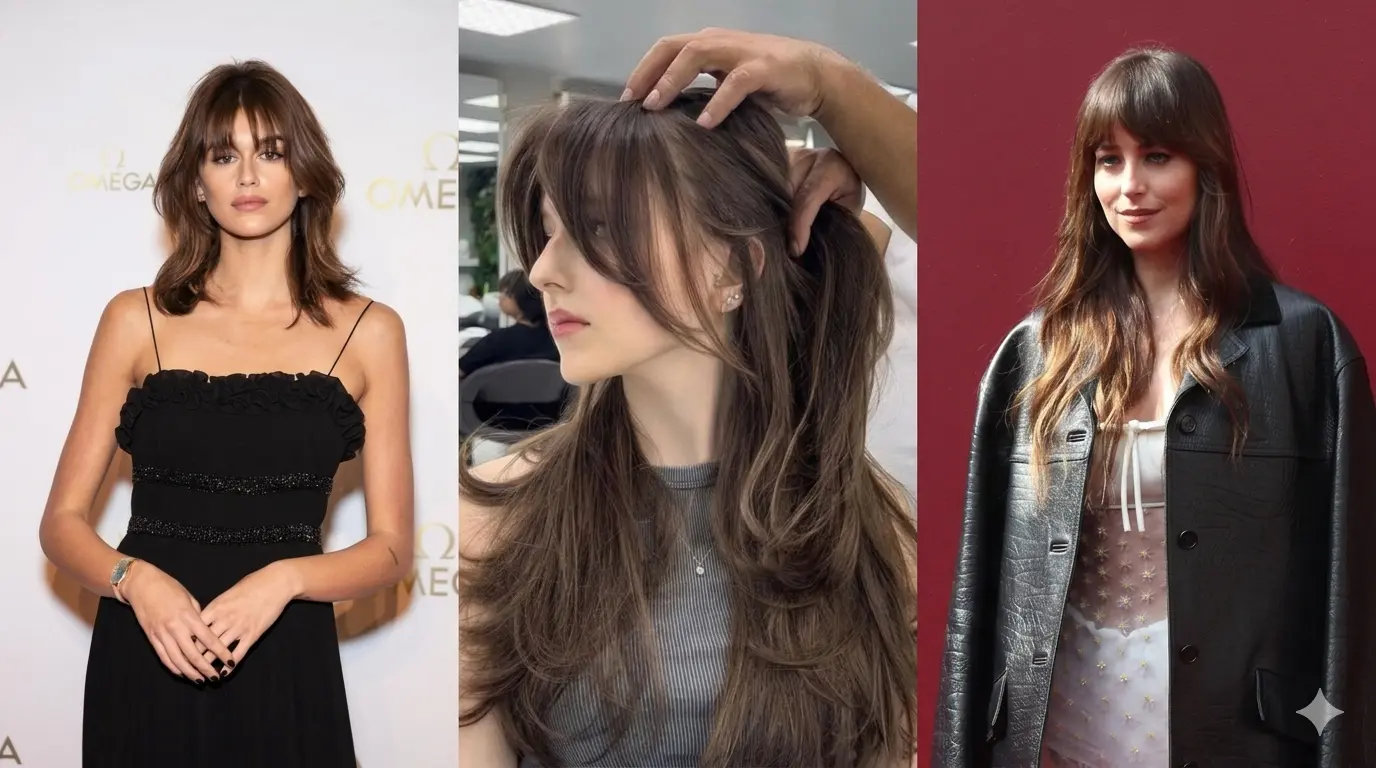
This is not just a passing social media fad; it is a fundamental evolution in how stylists approach face framing. By parting the hair down the center (or slightly off-center) and angling the cut to sweep gracefully outward, this fringe style acts exactly like its namesake. It creates a soft, romantic drape that opens up the face, highlighting the cheekbones and drawing attention to the eyes.
What makes this cut the undisputed champion of the salon menu in 2026 is its universal flattery. Whether you have pin-straight Asian hair, thick Indian waves, or bouncy curls, the right sweep can completely alter your facial geometry without a drastic chop. But make no mistake, this “effortless” look requires serious architectural cutting and precise daily styling.
Industry Outlook: The demand for “Fringe Specialists” is at an all-time high. Stylists who can execute a seamless, floating fringe are commanding top salaries. Premium brands like The Salon Company are aggressively headhunting this talent. (Pro Tip: If you have mastered the art of the shear, find the most lucrative hair stylist jobs on the Stylelink app).
The Science of the Swoop: Why Do They Work?
To understand why curtain bangs look good on virtually everyone, we have to look at the geometry of the cut.
A traditional straight-across fringe creates a hard horizontal line on the face. This cuts the face in half visually, making it appear shorter and wider. Conversely, a curtain-style fringe creates an inverted “V” shape. The shortest pieces sit in the middle of the forehead, and the hair gradually lengthens as it moves down toward the cheekbones.
This diagonal line draws the observer’s eye outward and upward, creating a natural “lifting” effect. When combined with continuous face framing layers, it eliminates the heavy, drag-down effect of long hair, injecting instant youth and vitality into your overall appearance.
Customizing for Hair Density: Thick vs. Fine Hair
The biggest mistake clients make is asking for a “copy-paste” of a celebrity’s fringe. Your hair’s natural density dictates how the cut should be performed:
For Thick, Heavy Hair
If you have dense hair, cutting a thick chunk of hair at the front will make you look like you are wearing a helmet. The stylist must use a technique called “Internal De-bulking.” They will take the weight out of the middle of the fringe using texturizing shears or slide cutting, allowing the hair to lay flat against the forehead rather than puffing outwards.
For Fine, Thin Hair
If your hair is thin, you want to avoid wispy, transparent ends. The stylist needs to cut the fringe slightly deeper (pulling more hair from the crown forward) to create the illusion of thickness. The ends must be kept relatively blunt to maintain visual weight.
The Danger of the DIY Chop: Why The Salon Company is Essential
We have all witnessed the 2 AM bathroom mirror disasters on TikTok. Attempting to cut your own fringe by twisting the hair and snipping it straight across is a recipe for a jagged, unblended disaster. A DIY cut almost always results in a “shelf”—a harsh line where the short bangs sit completely disconnected from the rest of your hair.
To get that seamless, flowing gradient, you need a professional. We strongly recommend booking your transformation at The Salon Company. Operating under the elite Stylelink ecosystem, their Senior Stylists employ advanced geometry:
- The Over-Direction Method: They pull the hair across your face to the opposite side before cutting. This ensures that when the hair falls back to its natural position, it automatically swoops backward.
- Slide Cutting: They never use blunt snips for this style. They slide their shears down the hair shaft to create “feathered” ends that blend invisibly into your curtain bangs with layers.
- The “Pinch” Finish: They dry the hair first and perform detailed “point cutting” to ensure the fringe perfectly traces your unique cheekbone structure.
Career Spotlight: The Master of the Fringe
Are you a hair professional? The ability to execute a flawless face frame is a high-income skill. Clients who trust you with their fringe will trust you with their entire head, guaranteeing lifelong loyalty.
Here is how the Stylelink network accelerates your career:
- Unlock Premium Roles: Don’t settle for budget parlours. Download the Stylelink App to find specialized vacancies at luxury chains like The Salon Company that charge a premium for modern, layered aesthetics.
- Build a Visual Brand: Use Stylelink’s Resume & Portfolio Builder. Upload dynamic videos of your clients shaking their heads to demonstrate the effortless bounce of your cuts. Visual proof is the ultimate negotiation tool for higher commissions.
- Optimize Your Schedule: If you manage a salon, these precision cuts take extra time. Use Stylelink’s Salon Software to accurately block out 60-minute slots, ensuring your stylists are never rushed.
The Masterclass: Styling Your Fringe at Home
The hard truth about curtain bangs is that they are high-maintenance on a daily basis. If you let them air-dry, they will fall flat. To get that bouncy, 90s supermodel aesthetic, follow this 3-step routine:
Step 1: The Mousse Foundation
While the hair is damp, apply a lightweight volumizing mousse to the roots. Mousse is essential because it provides “memory”—it tells the hair to hold its shape against gravity without making it crunchy.
Step 2: The “Pinch and Push” Blow-dry
Take a medium-sized ceramic round brush. Roll the fringe completely forward and under, towards your nose, blasting it with hot air. Once it is 80% dry, roll the brush backward (away from your face) to the root. Pinch the roots together slightly, hit it with heat, and then hit the “cool shot” button to lock the shape.
Step 3: The Roller Cool-Down
If you struggle with the round brush, use a large Velcro roller. While the hair is still hot from a rough blow-dry, roll the fringe away from your face. Let it sit for 15 minutes while you drink your coffee or do your makeup. The cool-down process permanently sets the volume.
Conclusion: The Ultimate Style Upgrade
Adding curtain bangs is the most powerful way to refresh your personal brand. They add an element of flirtatious mystery and sophisticated movement to any look, seamlessly transforming a boring ponytail into an intentional, high-fashion statement.
However, architectural hair requires an architectural mind. Don’t risk your face frame to an amateur. Book your transformation with the precision cutting experts at The Salon Company. And for the ambitious professionals wielding the scissors, download the Stylelink App today to connect with the most lucrative hair stylist jobs in the industry.
Frequently Asked Questions (FAQs)
Q1: How often do I need to trim a curtain fringe?
Because they sit right in your line of vision, they grow out visibly faster than the rest of your hair. To keep the sweeping shape sitting correctly on your cheekbones, you will need a “fringe trim” at The Salon Company every 4 to 6 weeks.
Q2: Can I get this cut if I have curly hair?
Yes! Curly fringes are a massive trend. However, your stylist must cut them dry. Curls experience “shrinkage” when they dry, so cutting them wet often results in bangs that are two inches shorter than you wanted.
Q3: How do I stop my forehead from getting greasy?
Bangs rest against the T-zone, which naturally produces oil. You don’t need to wash your whole head—just lean over the sink and shampoo your bangs every morning. A blast of dry shampoo at the roots also works wonders.
About the Author


